In July 2024, Park Circus and Cinema Rediscovered teamed up to invite UK-based curators to pitch a 4-5 title repertory season idea curated from the Park Circus library. The selection was based on the following criteria: Quality of The Idea, Originality, and Audience Potential (with rights clearances an additional factor). Following an in-person presentation to an industry panel at Watershed for Cinema Rediscovered 2024, winner Yuriko Hamaguchi’s curated season Transnational Japan in Hollywood is now available for theatrical bookings via Park Circus.
In the following programme notes (also available for exhibitors and audiences in PDF), Yuriko herself discusses the season and contextualises the titles featured in Transnational Japan in Hollywood.
From the silent short O Mimi San (1914) to the James Bond film You Only Live Twice (1967) and the neon-laden action Bullet Train (2022), Japan has been a key motif, both thematically and aesthetically, in numerous Hollywood films. Portrayals of Japan have transformed across different periods, reflecting shifts in the cultural, political, and economic relations between Japan and the US/West beyond cinema.
Cinema Rediscovered and Park Circus present Transnational Japan in Hollywood, a season exploring representations of Japan as Other by revisiting a collection of Hollywood films that depict Japaneseness through external lenses. Japan’s transitional images observed in the selected films not only reveal Hollywood’s construction and reconstruction of Japaneseness through pivotal historical moments but also serve as a mirror, signalling America’s self-reflection, anxieties, and affirmation of its evolving position in the world.
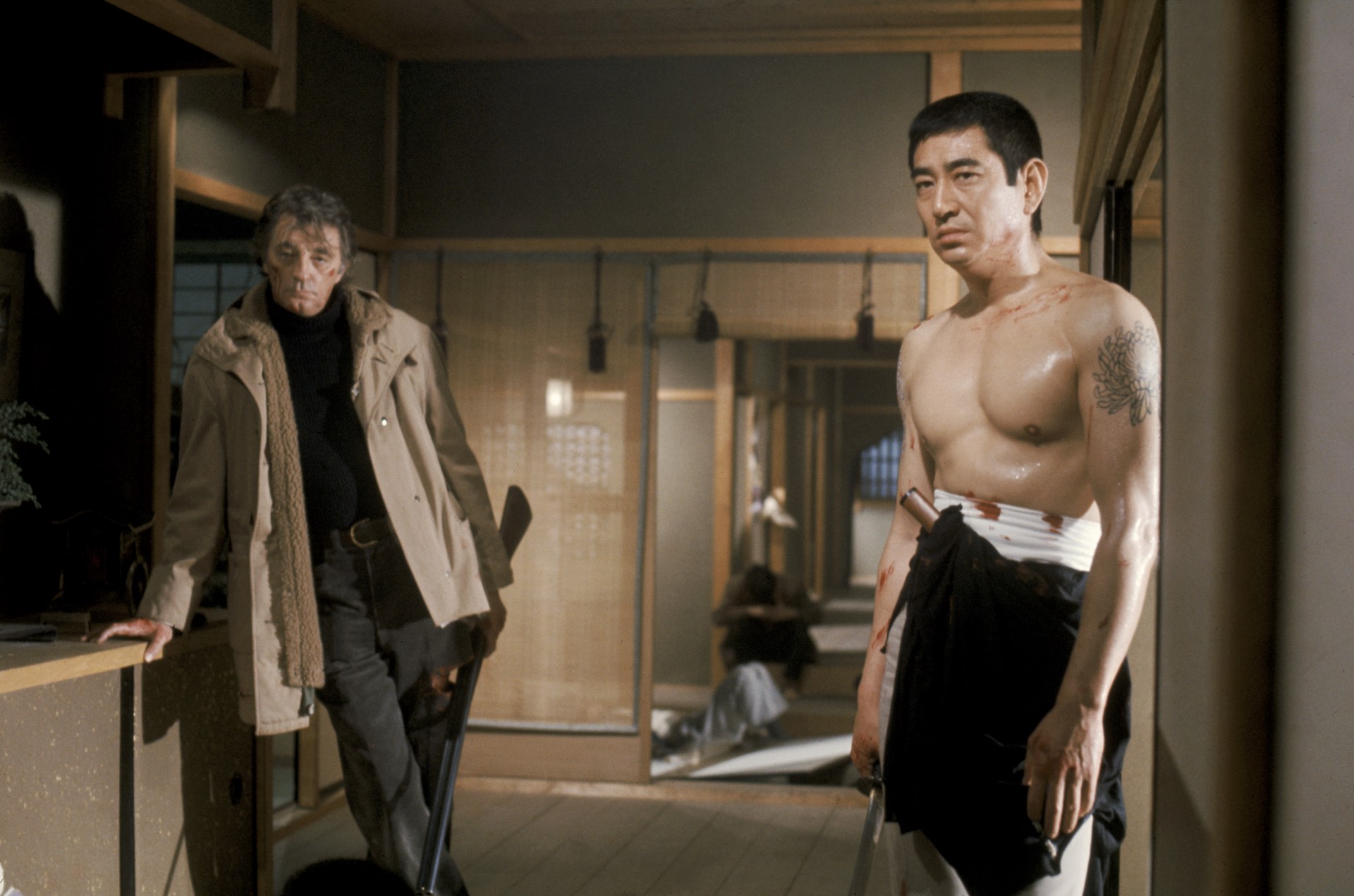
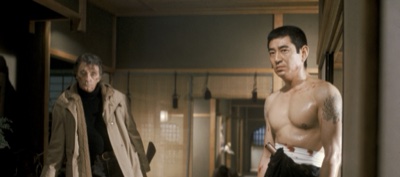
Credit: The Yakuza (1975). Image courtesy of Warner Bros. Pictures
British filmmaker David Lean’s Academy Award®-winning The Bridge on the River Kwai (1957) offers a nuanced character study of Colonel Saito, portrayed by Sessue Hayakawa in an Oscar®-nominated performance, marking a departure from Hayakawa’s silent and pre-war era star persona, where he was often confined to orientalist caricatures. Although set during World War II, this post-war Hollywood production presents Saito as the embodiment of military Japan with complexity and vulnerability, transcending the simple villain archetype. This enhances the realism of the fleeting psychological bond formed between Saito and Nicholson (Alec Guinness) and adds layers to the representation of Japan within the retrospective wartime context.
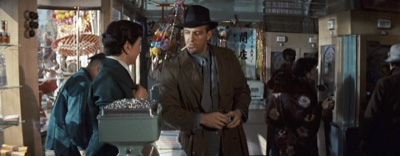
The Cold War’s geopolitical tension repositioned Japan from the US’s former enemy and occupied country to its strategic junior partner. This shift can be read in Samuel Fuller’s CinemaScope film noir House of Bamboo (1955), celebrating its 70th anniversary in 2025, where US paternal superiority is cast over Japan’s feminised subordination. Sessue Hayakawa’s modest appearance as Inspector Kita - a mere shadow of the sex symbol he once was - metaphorically indicates the loss of masculine agency. The interracial romance between Eddie (Robert Stack) and his kimono girl Mariko (Shirley Yamaguchi) instigates conflicts over gender, power, and national identity. Yet the film eschews superficial typecasting by depicting Mariko as culturally resilient, and Chinese-born Japanese star Yamaguchi’s transnational identities complicate simplistic interpretations of her character.
Set in the aftermath of upheavals like the Vietnam War and Watergate, The Yakuza (1975) – which turns 50 in 2025 – reflects the sense of uncertainty that characterised 1970s America. At the heart of Sydney Pollack’s neo-noir is the complex, respectful yet fraught relationship between retired American detective Harry (Robert Mitchum) and former yakuza Ken (Ken Takakura). Mitchum conveys Harry’s existential weariness through a finely attuned performance, while Takakura, a Toei ninkyo eiga (chivalry films) star, brings a stoic, virtuous presence to Ken, who guides rather than serves. The film also explores Harry’s romance with Eiko (Keiko Kishi), whose self-contained attitude contrasts with his nostalgia and desire for an unchanged past.
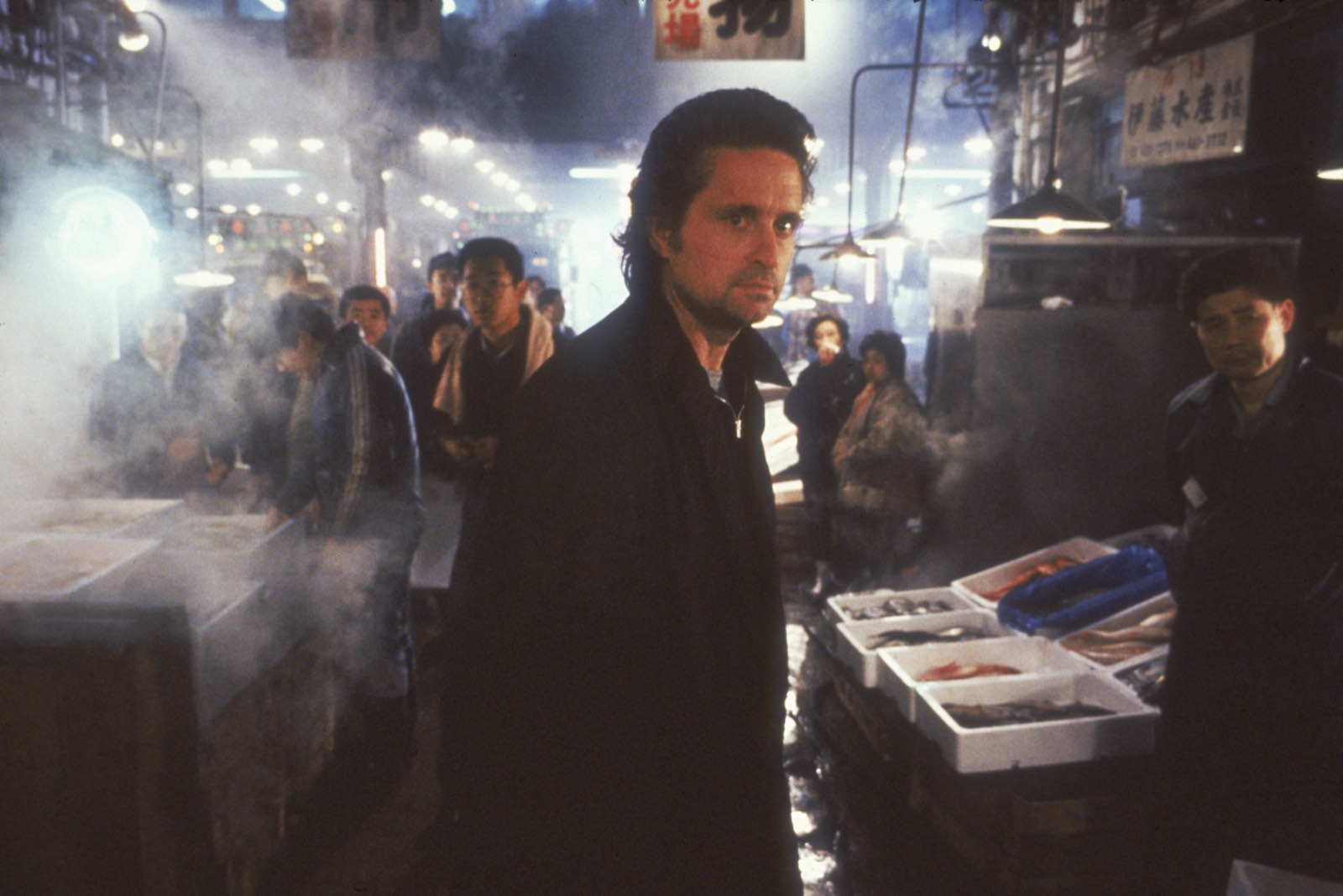
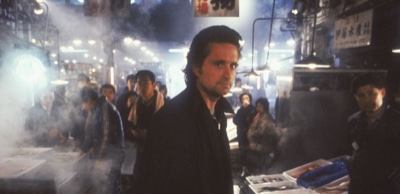
Credit: Black Rain (1989). Image courtesy of Paramount
Produced at the height of Japan’s bubble economy, Ridley Scott’s Black Rain (1989) captures a sense of cultural anxiety. Set in a neon-lit, dystopian Osaka that visually echoes Scott’s Blade Runner (1982), the film portrays Japan as both alluring and alien. Michael Douglas stars as Nick, a morally ambiguous NYPD detective whose desperation to assert control may be construed as emblematic of the West’s struggle to reconcile economic rivalry with cultural fascination. The contrast between Masahiro Matsumoto, played by Ken Takakura, an honourable cop who acts as Nick’s moral compass, and the menacing yakuza Sato, delivered in Yusaku Matsuda’s indelible posthumous performance, emphasises the paradoxical picture of Japan.
The selected films contain representations that require critical reflection, including racial stereotypes, objectification of Asian women, and Orientalism. This season invites audiences to explore and engage in nuanced conversations about the interactions and reciprocal influences shaping narratives, aesthetics, and cultural codes across national borders. There is no definitive answer; what has been discussed here is merely one possible way of seeing. Neither a simple celebration nor critique, Transnational Japan in Hollywood exists in a fluid mode, seeking to challenge and expand the discourse around representations of Japan/Japaneseness and cinema’s transnationality.
Yuriko Hamaguchi is an MA student at the National Film and Television School, specialising in Film Studies, Programming and Curation. She is working on a dissertation about independent filmmaking practices during the 1984-85 miners’ strike. Her areas of interest also include Japanese classic cinema, social realism, and female filmmakers. Yuriko holds an LLB from the University of Tokyo.
Note that inclusion of a title within this collection does not guarantee rights or print availability for a specific territory.