We spoke with René Wolf, Head of Acquisitions and Senior Programmer at Eye Filmmuseum, about balancing crowd-pleasers with niche gems, making cinema accessible to all ages and tastes, and maintaining a film programme renown for its quality and uniqueness.
Eye Filmmuseum is the leading curator, exhibitor, and distributor of classic and current film in the Netherlands, preserving Dutch film history for the nation and the world. Their stunning river-side location in Amsterdam houses exhibitions, cinemas, a restaurant, and event and education spaces for their ongoing programming and festivals. At the Eye Collection Centre, the film institute restores, digitizes, and preserves over 50,000 films. This summer, Eye screened a variety of international, classic, children’s, and blockbuster titles through programmes such as Previously Unreleased, Cinemini, and an Isabelle Huppert retrospective.

Image courtesy of Eye Filmmuseum
Park Circus: Why is EYE a unique place to experience cinema?
René Wolf: EYE is unique because it combines a spectacular building (designed by architects Delugan & Meisel from Austria), great temporary expositions (in 1200 m2 of exhibition space), a diverse programming including first-run films, classics, retrospectives, silent films with live music, and specials, a well-equipped cinema, and a nice bar-restaurant in the heart of the building. And I shouldn't forget the great view of the river, always different in different weather-conditions and different moments of the day. We often refer to it as our 'fifth screen'.
Another element is that we also can and still do screen films the analogue way. All of our four auditoriums have two 35/70mm-projectors where we can screen films on 35mm or 70mm if they are available. This has become rare elsewhere.
PC: What are the challenges and benefits of being an archive, a distributor, and an exhibitor?
RW: The challenges are mainly to find the right balance in all we do. As an exhibitor: do we screen enough content from our own archive, do we show enough older titles, are we not competing with ourselves too much with so many special screenings, and most of all: are we different enough from other exhibitors – especially in Amsterdam where there are 14 arthouse-cinema's with approximately 35 screens.
As a distributor: do we find the right mixture in releasing films from others as well as films we restored ourselves and how exclusively shall/can we release them within Amsterdam and in our own cinema. And I would also say it's a challenge to be selective, not to do too many things. Not to try to do everything, show everything, but to make choices and stand for your choices.
The benefits are that being an archive, a distributor and an exhibitor as well as an exposition-venue, you have a lot of opportunities. And best of all is when they all come together. For example, I really look forward to our Andrej Tarkovski-season this autumn. We will have a new exhibition on him for three months, and we combine this with a retrospective of his work, and the nationwide distribution of six films he directed. Our own programme will also contain films by directors who influenced Tarkovski or by directors who were influenced by him.
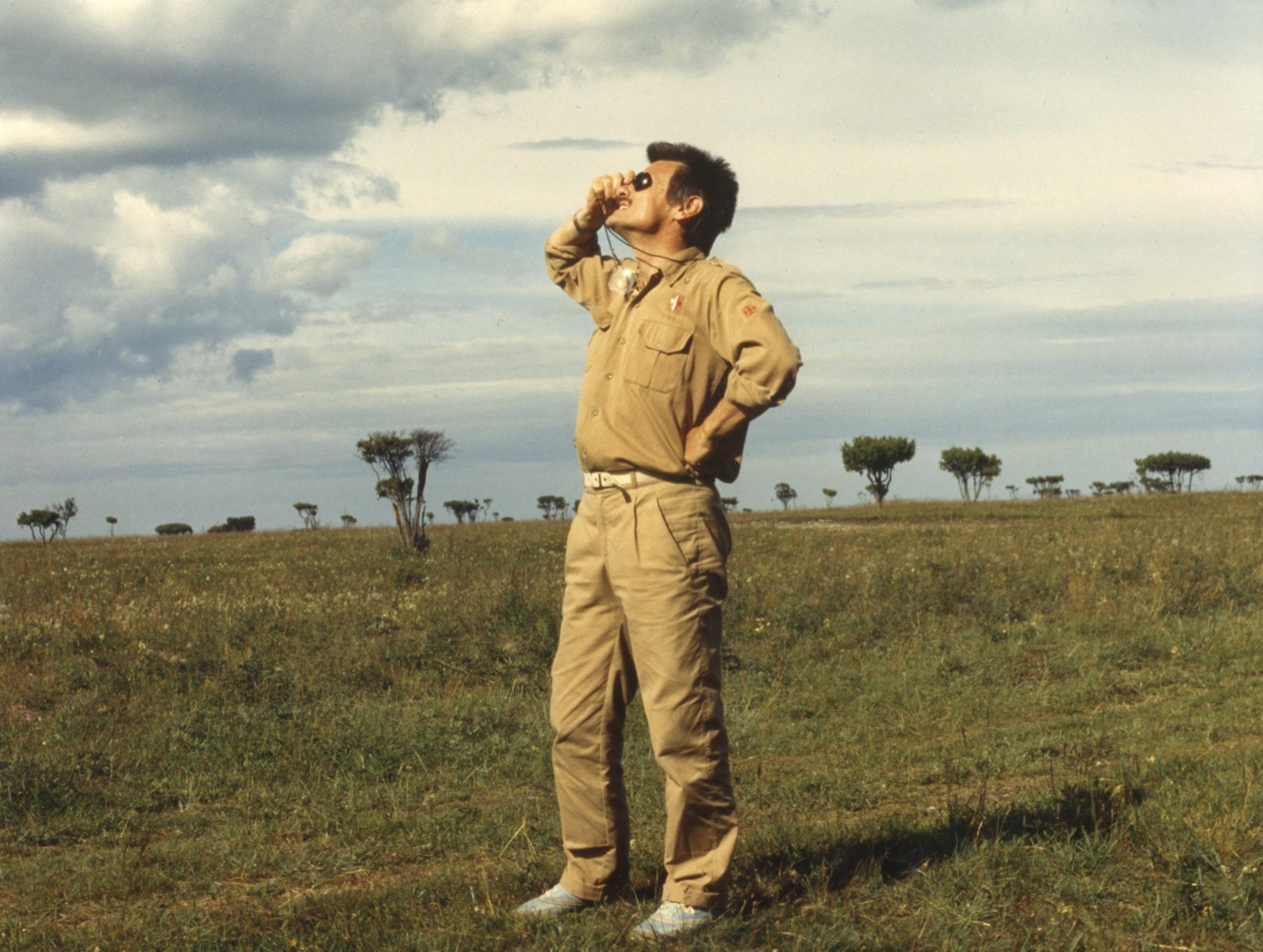
Andrej Tarkovski on the set of The Sacrifice (1986). Image courtesy of Eye Filmmuseum.
PC: Who is your audience?
RW: The diversity is enormous. A combination of hardcore cinephiles, art-lovers, architecture-lovers as well as a more general audience. And in terms of geography: people living in the neighbourhood, and also people from all over Amsterdam and tourists, both from abroad as well as from our own country.
In terms of age: the average age becomes younger during the course of the day. We open daily at 10.00 am - when we mainly have an older audience, with a lot of interest also in other artforms – then late at night our audience is much younger. Aware of that we sometimes program certain titles only during the day, while we developed screening formats like Eyeshadow (in which we combine a screening of a recent classic with a live music-gig after the movie). We also screen a lot of children’s films, a really nice format is Cinemini, aimed especially at pre-schoolers and their parents. Every Sunday, children aged 2 to 6 are treated to animation films that last only 30 minutes or less and can play in little houses in the screening room afterwards with their parents close by.
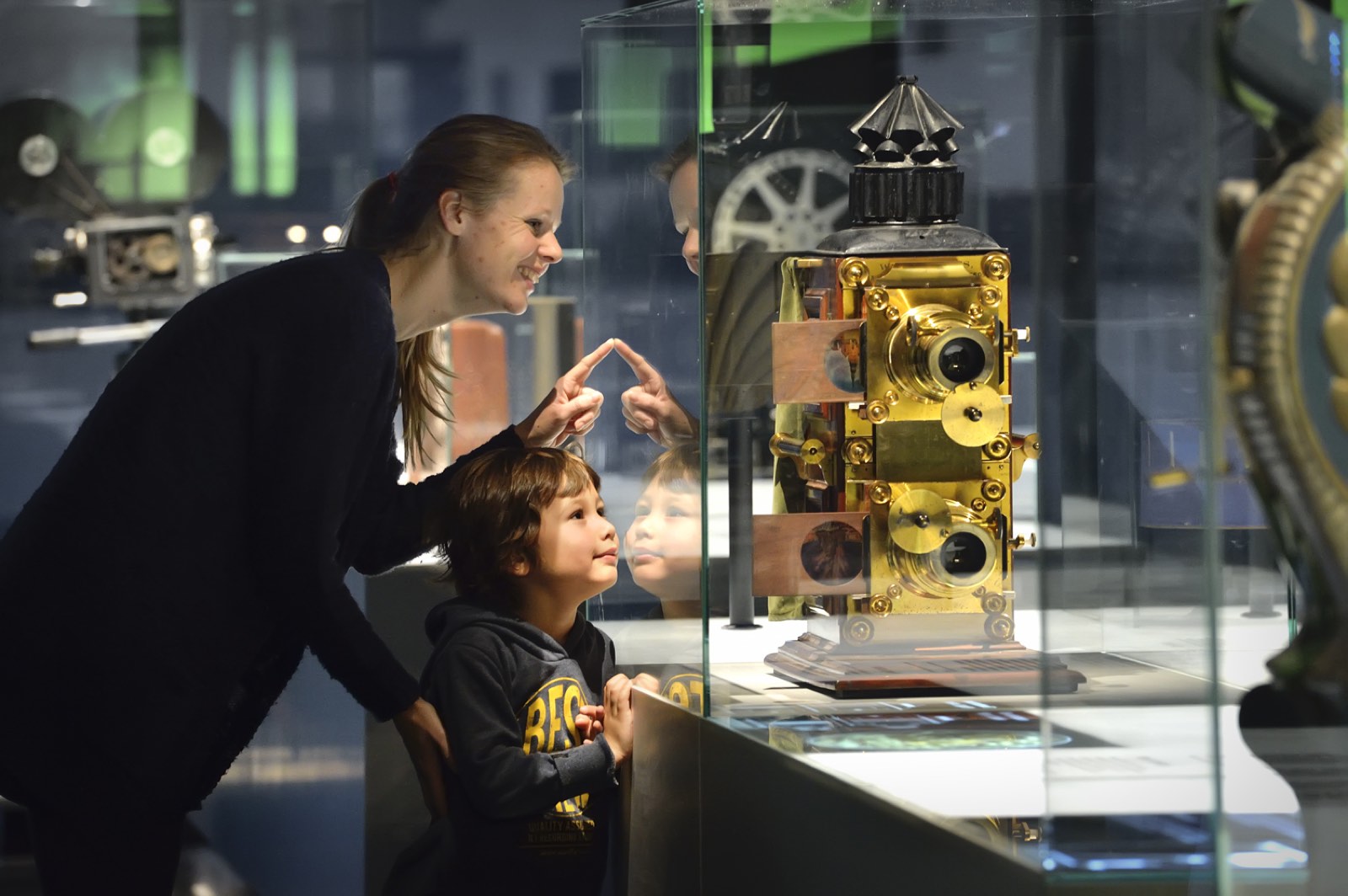
Photo courtesy of Eye Filmmuseum and Mike Bink
PC: What goes into your programming decisions?
RW: It's all about balance. We try not to program unique events at the same time. We also try to have every moment of the day a film that you can experience only in Eye and not elsewhere in Amsterdam. And not only new films, but at least one older title, that can be a real classic or also a more obscure one. We don't just want to offer an abundance of film titles: for every film we also consider what would be the best way to present it, such as a special in which we screen it only once or a longer run so a title can have more word-of-mouth publicity.
PC: What is your favourite film showing at Eye this summer?
RW: Well, there are many. I am very proud of two titles in our Previously Unreleased programme in which we screen titles that were often presented in major festivals, but were not bought for distribution in The Netherlands, didn't get a theatrical release and went straight to DVD or VOD, or cannot even be seen at all. The first one is the Chinese film Long Day's Journey Into Night (2018), directed by Bi Gan. The film was in Un Certain Regard in Cannes, last year. Bi Gan is a director who dares to do things differently, giving you a jaw-dropping experience.
Another one is the Spanish-Argentinean coproduction Con el Viento (2018). This film didn't even find a sales agent, I bought the rights directly from the production company. But it got great reviews and is doing quite well in terms of audience attendance.
Last year we screened Paul Schrader’s First Reformed (2017) through Park Circus in this Previously-Unreleased program with really great results. It was also high up in end of the year lists of favourite films.
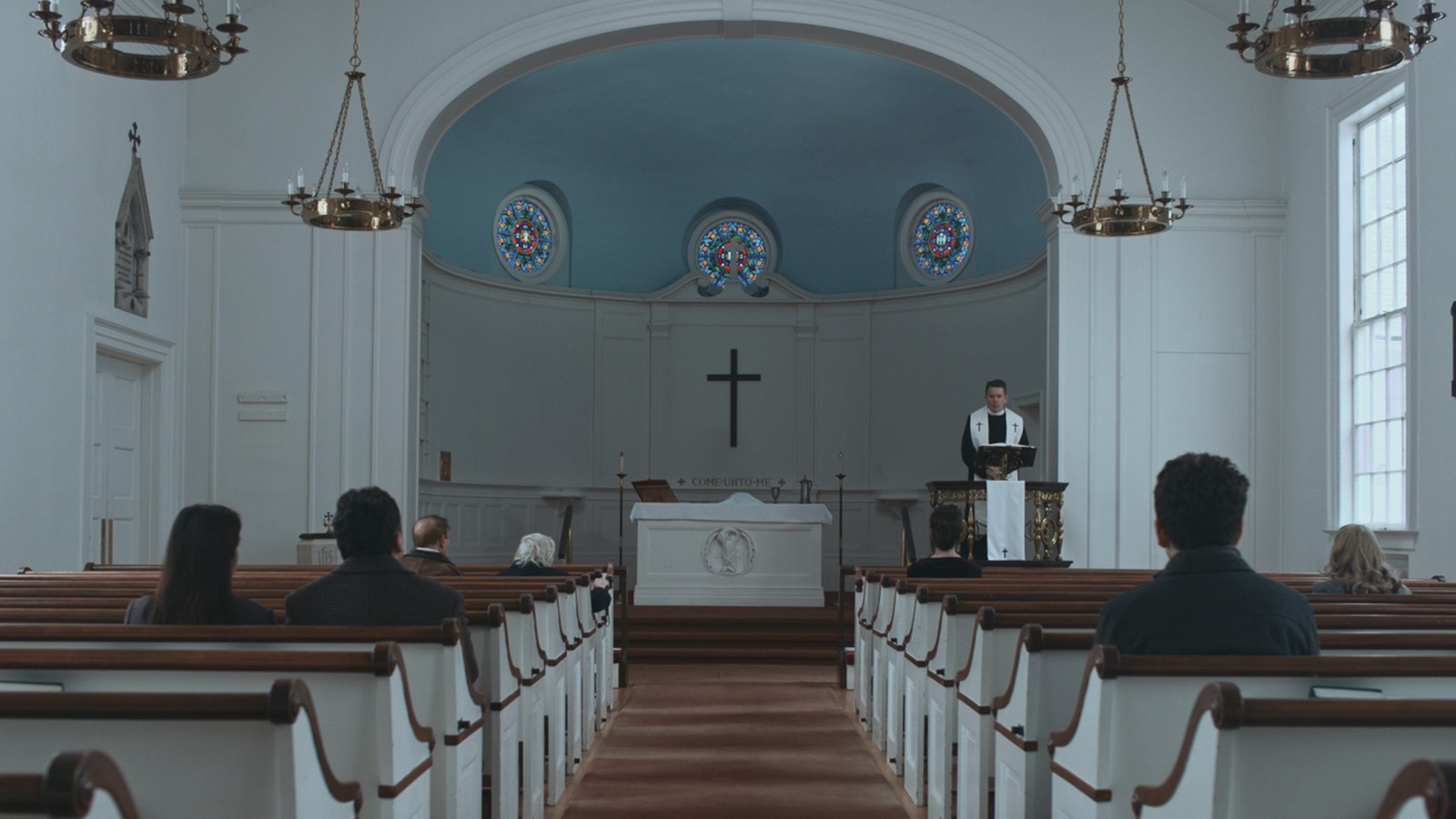
First Reformed (2017) dir. Paul Schrader
PC: Why did you choose Isabelle Huppert’s work to be the centre piece of your summer season?
RW: In summertime we always do a bigger two-month retrospective on an actor or a director. Last year we focussed on Billy Wilder. So after a male director who worked most of his time in the United States, a female, European actress felt like a good choice. And besides that she is still very active: this year alone five more films were added to her filmography. And her career is still developing. One of the focuses within the program is on her choice to work with non-Western directors like Brillante Mendoza and Hong Sang-Soo. It also enabled us to rerelease four of her films, like the recently restored La Dentellière (The Lacemaker) (1977) by the late Swiss director Claude Goretta. In this film she played her first major role. The film was not available on DVD for a long time, and a lot of people love to watch it on the big screen.
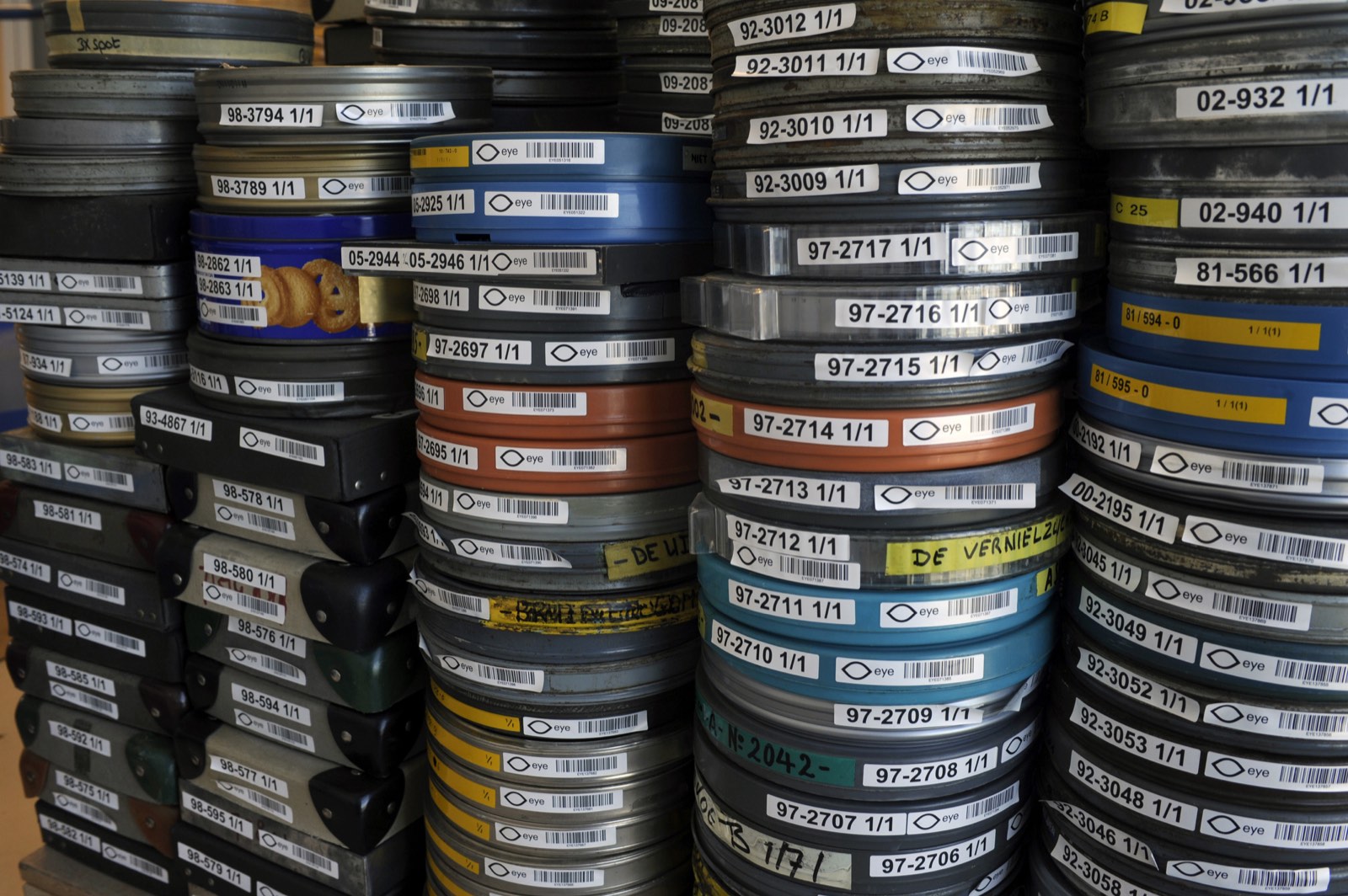
Image Courtesy of Eye Filmmuseum and Paul Van Riel
PC: Why is it important to conserve, study, and show classic film in the Netherlands?
RW: I think film history is so rich. It is worthwhile to see and enjoy films from the past, to discover gems but also to understand the tradition in which current filmmaking stands. We often try to combine new films with films from the past, to show sources of inspiration. I also truly believe the collective experience is very different from the individual consumption on a smaller screen. In the past people had to go to Filmmusea to experience older films, since they were the only places where you could see and study them. With the arrival of DVD and Internet, we entered an era in which a big part of film history became available. Today, titles have become less accessible again, only available on subscription channels. I think that is a big threat. I think a bigger danger than disappearing or shorter windows is that films are not available for theatrical screenings at all.
Find Isabelle Huppert films in our catalogue
Check out what Eye Filmmuseum is currently showing
Learn more about Eye Filmmuseum